Deck Building: What to Expect From Professional Deck Builder Services
When evaluating the expertise of a skilled deck contractor, clients can look forward to a systematic process to enhancing their outdoor spaces. From the initial consultation to the final touches, every stage is designed to secure quality and compliance with local standards. Being aware of what lies ahead can facilitate a smoother journey and boost client confidence. Yet, clients frequently feel uncertain about their role and responsibilities throughout this journey. What should they know before starting on this project?
Understanding the Role of a Professional Deck Builder
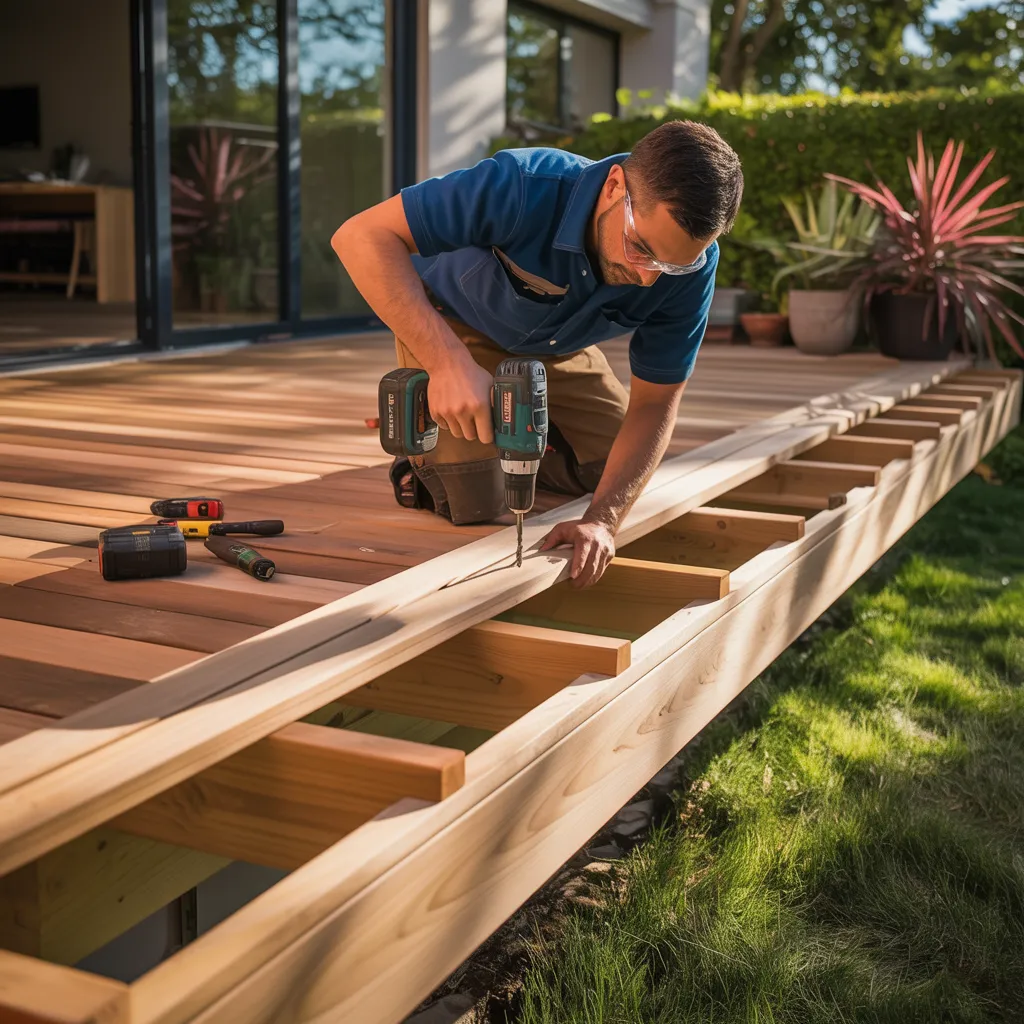
A skilled deck building professional serves a vital function in improving outdoor areas. Their skill set spans material selection, design, and construction, guaranteeing that every endeavor aligns with the client's vision and local regulations. By analyzing the unique characteristics of a home, they are positioned to propose ideal design choices that boost aesthetic appeal and functionality.
These skilled specialists are proficient in overseeing the complete construction process, coordinating with suppliers, and adhering to timelines. They demonstrate a thorough understanding of a wide range of materials, spanning wood to composite materials, allowing them to advise clients on material durability and ongoing maintenance.
In addition, a skilled deck builder secures structural integrity, incorporating safety standards that meet construction regulations. Their expertise eliminates common construction mistakes, delivering a smooth construction experience and a positive conclusion. When all is said and done, a experienced deck builder not only creates practical outdoor living areas but also brings significant value to a home through careful planning and skilled craftsmanship.
What to Expect in Your Initial Consultation
At the first meeting, clients will experience a comprehensive review of their project objectives, allowing the builder to understand their vision. Furthermore, preferences regarding design elements will be explored to ensure a match between the client's expectations and the builder's capabilities. This essential meeting lays the groundwork for a smooth deck-building experience.
Overview of Project Objectives
When clients engage in a preliminary consultation for deck building services, they can expect a thorough discussion intended to establish project goals and preferences. This discussion generally starts with clients describing their vision for the deck, including intended uses such as entertaining or relaxation. Experts will ask about key features, material preferences, and budgetary considerations. Additionally, they may address any local regulations or property considerations that could impact the project. By thoughtfully considering the clients' requirements and expectations, the builder can guarantee alignment between the planned work and the client's goals. Setting these core objectives is essential for an effective collaboration, thereby directing the design and building process ahead.
Design Preferences Exploration
How should clients express their design preferences when meeting with deck building professionals for the first time? Clients are encouraged to arrive with ideas, sketches, or photos that capture their vision for the deck. Sharing specific styles—such as modern, rustic, or traditional—can help builders understand aesthetic preferences. It is equally important to talk about how the deck will be used, such as for entertaining, relaxation, or family gatherings. Taking into account materials, colors, and features such as railings or lighting is essential, as these factors significantly shape the final design. Transparent communication is critical; raising questions and being open to the builder's input can produce a more customized result. This collaborative approach guarantees that both parties align on the vision and practical aspects of the project.
What Role Do You Play in the Deck Construction Process?
What role should one assume in the deck building process? Homeowners should adopt a proactive yet cooperative approach, engaging with professional builders while openly expressing requirements and desires. This involvement guarantees that the final product aligns with personal vision and practical requirements.
To begin, home improvement planners should collect ideas and compile a list of key requirements, including style, materials, and usability. By doing so, they provide design-build experts with a structured outline for design consultations.
Next, it is vital to be open to expert recommendations. Building experts often bring valuable insights regarding structural soundness, local building codes, and economic viability.
Ultimately, homeowners must establish a budget and timeline from the outset, supporting honest communication and outlining realistic expectations. By aligning their goals with professional guidance, homeowners can take an active part in constructing a deck that transforms their outdoor living environment.
How to Bring Your Design Concepts to Life
Converting design visions into tangible outcomes demands a well-planned strategy connecting creativity and implementation. Initially, it is essential to clarify the vision, ensuring every design component reflects the homeowner's preferences. Professional deck builders often recommend creating detailed sketches or using 3D modeling software to visualize the final product accurately.
Next, developing a practical schedule and budget is vital. This step requires reviewing potential challenges, such as site conditions or local regulations, with the builder to identify and address any complications. Communication plays an essential role; ongoing consultations and status updates keep the project on track and aligned with the original vision.
Finally, working with an skilled deck construction specialist who recognizes the nuances of implementing designs assures that the shift from design to build is smooth. Through these methods, residents can effectively oversee the transition of their design ideas into a remarkable, efficient exterior living area.
How to Choose the Ideal Materials for Your Deck
Selecting the ideal choices for a deck involves thorough evaluation of multiple choices, including wood and composite materials. Every option presents notable advantages, particularly concerning durability and aesthetics. Moreover, knowing environmental durability is important for ensuring long-lasting performance in diverse environmental conditions.
Wood Versus Composite Options
Picking the most suitable materials for a deck can considerably affect its resilience, care requirements, and overall appearance. Property owners often encounter the choice between conventional wood and composite decking. Natural wood, commonly favored for its classic charm and warmth, provides a classic look but necessitates routine care, including sealing and staining. Alternatively, composite deck materials, crafted from a mixture of wood fibers and plastic, delivers a reduced-maintenance solution that is resistant to fading and splintering. While it may come at a higher initial cost, composite decking frequently demonstrates greater longevity. At the end of the day, the choice is determined by individual taste, financial considerations, and ongoing upkeep obligations, shaping the general contentment with the completed deck.
Weather Resistance Guidelines
When evaluating deck materials, resistance to weather is a key factor that significantly impacts durability and functionality. Choosing the right materials can guard against harm from moisture, UV rays, and temperature fluctuations. For instance, composite decking frequently incorporates cutting-edge technology to combat fading and warping, making it a great choice for varied climates. Pressure-treated wood is an alternative choice, but it demands consistent upkeep to prevent rot and insects. Moreover, tropical hardwoods, recognized for their natural oils, provide exceptional resistance to weather but can be costlier. At the end of the day, evaluating the local climate and understanding the properties of different materials assists in selecting a deck that withstands weather conditions, ensuring a durable and attractive outdoor space for years to come.
Building Timeline: What to Expect
How long does a typical deck construction project take? The duration of a deck construction project can fluctuate greatly based on multiple factors, such as the complexity of the design, the materials selected, and prevailing weather conditions. In most cases, a basic deck installation will require anywhere from one to three weeks. This period covers a number of distinct stages, commencing with the first consultation and design confirmation, followed by the preparation of the site and the procurement of necessary materials.
Once all required permits have been secured, building work commences. This phase includes framing, deck installation, and final details, like railings and stairs. Each phase necessitates meticulous attention to detail and could be access this information impacted by unanticipated disruptions, like adverse weather conditions or supply chain disruptions. Homeowners can plan for consistent updates from their deck contractors to remain up to date on project developments and possible timeline changes. Ultimately, having a clear grasp of the building timeline assists in establishing reasonable expectations for those embarking on a deck construction project.
Key Deck Building Challenges and How to Tackle Them
Building a deck introduces several obstacles that can challenge even the most skilled contractors. Among these, site preparation frequently emerges as a considerable obstacle. Irregular ground or poor drainage can complicate the construction process. Builders can address this issue by performing thorough assessments and implementing proper grading techniques.
A frequent obstacle involves choosing the appropriate materials. Given the wide range of choices on the market, finding the right balance between appearance, budget, and longevity is essential. Professionals can mitigate this issue by providing clients with detailed comparisons of materials suited for specific environments.
Weather-related factors present a significant challenge, as sudden rainfall or harsh temperatures may cause project delays. To combat these conditions, planning for flexible timelines and keeping a close eye on forecasts is essential.
Lastly, complying with local building codes and regulations can be intimidating. Keeping informed about these requirements and working alongside local authorities can simplify the permitting process, guaranteeing adherence and prompt project completion.
Deck Builder-Recommended Maintenance Tips for Longevity
A well-built deck is merely the starting point for preserving a gorgeous outdoor living space. Regular maintenance is essential for longevity and aesthetics. Experienced deck contractors advise periodic evaluations, looking for unstable boards, oxidized screws, or evidence of deterioration. Cleaning the deck at least twice a year is vital; utilizing a light detergent and a gentle scrub brush can ward off debris buildup and fungal growth.
Adding a weather-resistant sealant every few years defends against moisture and UV damage, maintaining the wood's strength. In the autumn, it's recommended to clean away leaves and debris to prevent moisture retention and potential rot.
Furthermore, homeowners should ensure adequate drainage around the decking area to limit moisture buildup. If the decking surface is stained or painted, reapplying these finishes can strengthen both appearance and durability. By adhering to these recommendations, homeowners can enjoy their decking areas for many years, increasing their investment value and outdoor living experience.

Common Questions and Answers
How Much Should You Expect to Pay for a Professional Deck Building Service?
A professional decking service generally costs anywhere from $15 to $35 per square foot, depending on materials, design complexity, and location. Extra costs may stem from permits and custom features, influencing the final price.
What Permits Do You Need for Deck Construction?
Generally, deck construction permits consist of zoning approvals, building permits, and inspections, varying by location. Homeowners should consult local codes and regulations to secure regulatory compliance and avoid potential fines or construction delays during the construction process.
Can Changes Be Made During the Construction Process?
Changes can often be made during the development process, but they may require approval from the construction team. Alterations might affect costs, timelines, and materials, so clear communication with the construction manager is essential for a smooth adjustment.
Do Deck Contractors Provide Warranties on Their Work?
Most deck construction professionals include warranties on their projects, offering safeguards against flaws in both materials and labor. These warranties can vary in duration and coverage, so homeowners should take care to confirm the specifics before construction begins.
What Is the Lifespan of My Deck With Proper Maintenance?
When properly maintained, a well-constructed deck can last between 15 and 25 years. Regular inspections, cleaning, and sealing are essential to maximize its longevity, guaranteeing structural soundness and aesthetic appeal over time.